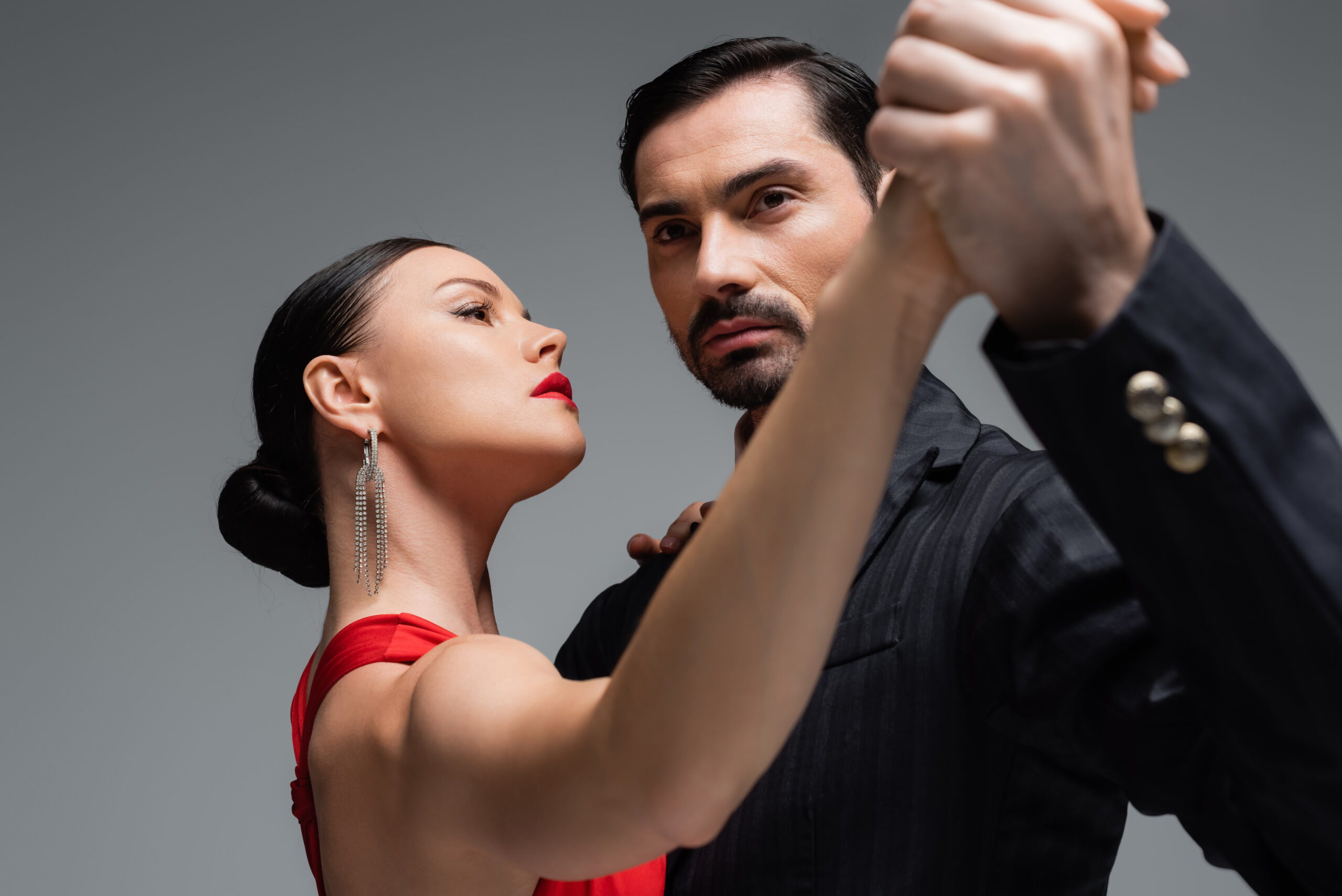
Partnership lessons from ballroom dance translate beautifully into real life. Partnership is one of life’s trickiest balancing acts—in work, friendships, marriage, or family. Ballroom dance offers a crash course in how to do it better, without a single PowerPoint or relationship manual.
Partnership Lessons from Ballroom Dance: Lead, Follow, Listen
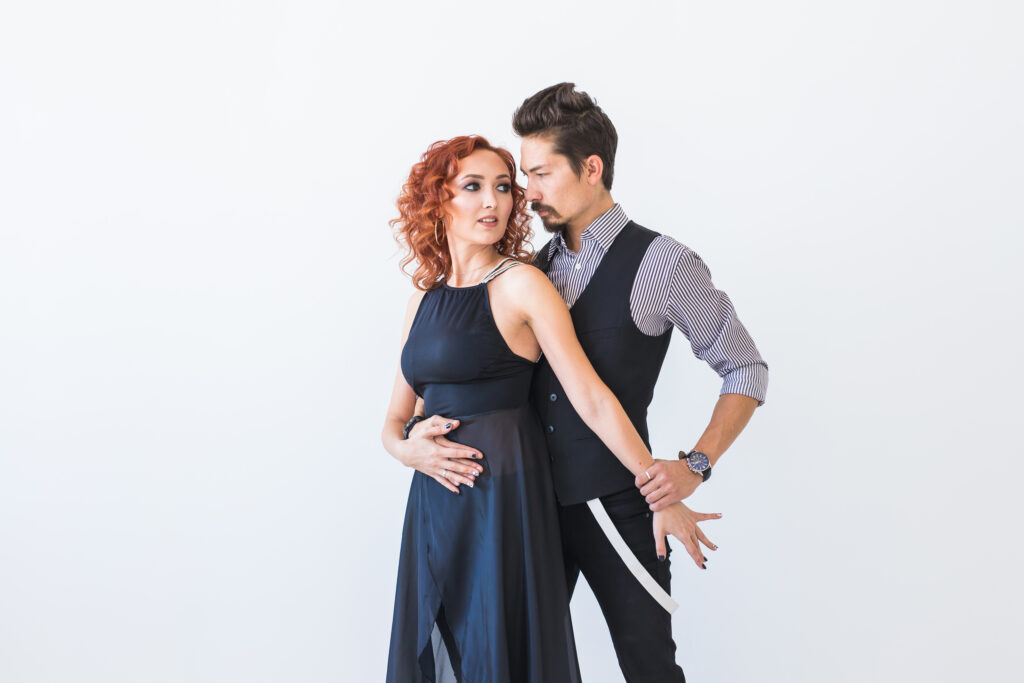
Ballroom teaches one of the most underrated skills in any relationship: listening. Whether you’re leading or following, you learn to pay attention, to communicate non-verbally, and to adjust in real time. It’s about cooperation, not competition.
Partnership lessons from ballroom dance that Build Trust Step by Step
In dance, trust isn’t built overnight. It comes step by step, twirl by twirl. When you realize your partner has your back — literally — you relax, communicate better, and flow more naturally. The same lessons apply to life outside the studio. These partnership lessons from ballroom dance show us how listening, trust, and adaptability work together in real time.
“My spouse and I started lessons for date night. We didn’t just learn to dance — we learned to listen to each other again. It brought the fun back into our relationship.”
– David & Sarah, Champions
A Mirror for Real Life
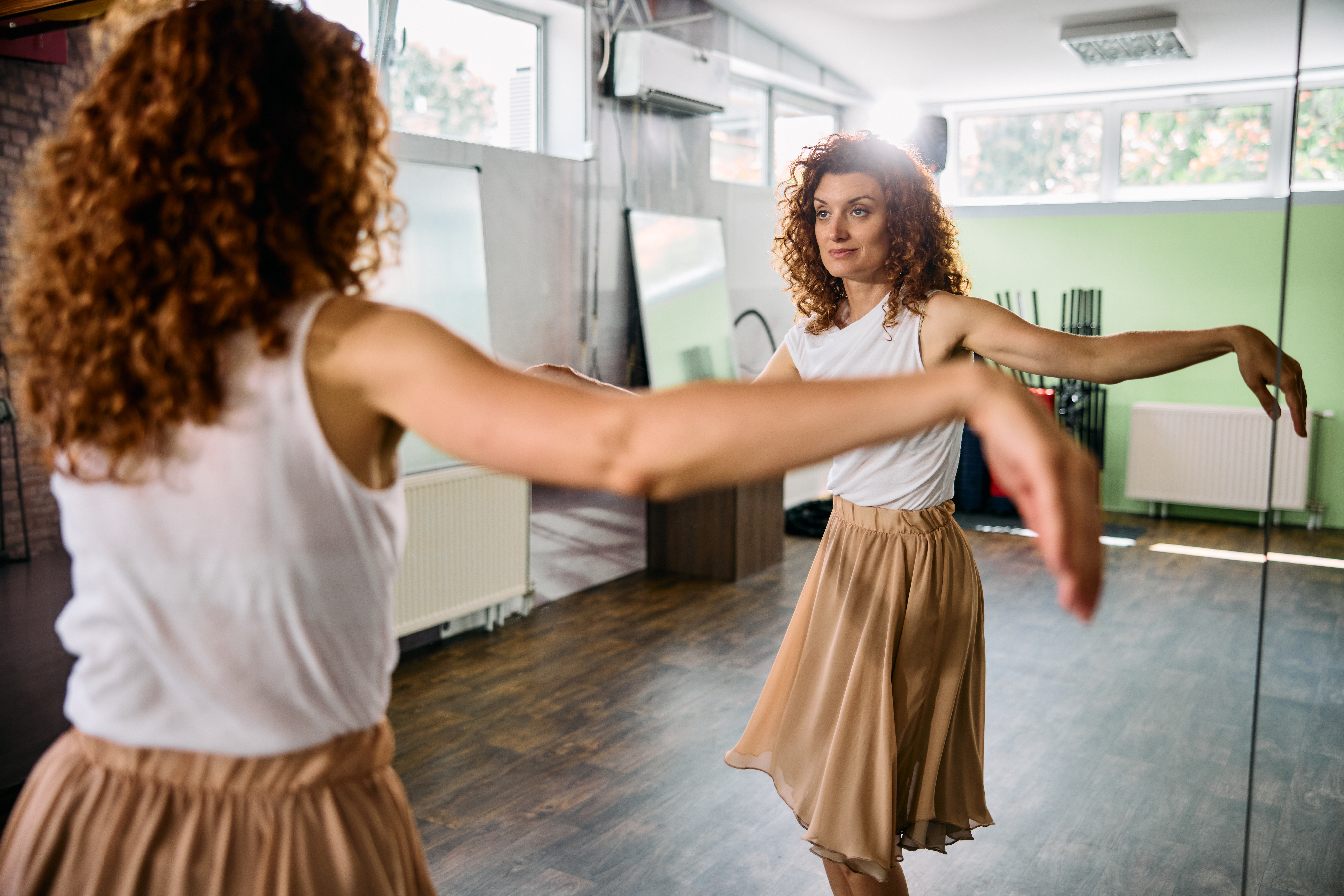
Partnership on the dance floor is a mirror for partnership off it. You discover patience, empathy, timing, and the art of compromise. Sometimes you lead, sometimes you follow, but the magic happens when you work together.
Ballroom dancing highlights how partnership, communication, and trust develop through shared movement and connection.
Partnership Is a Skill You Can Practice
One of the most powerful partnership lessons from ballroom dance is that connection isn’t something you either have or don’t have—it’s something you practice. On the dance floor, missteps happen. Timing gets off. Signals are missed. What matters isn’t perfection, but how partners respond together. You adjust, reset, and keep moving.
That mindset changes how you approach real-life relationships. Instead of blaming or withdrawing when things feel off, you learn to pause, listen, and reconnect. Ballroom dance teaches that strong partnerships are built through repetition, patience, and shared effort. Over time, those lessons shape how you collaborate at work, communicate with loved ones, and navigate challenges with more grace and understanding.
Lifestyle Upgrade
Ballroom isn’t just dance steps — it’s life lessons disguised in rhythm and music. The same skills that make a Waltz graceful or a Cha-Cha playful also make relationships smoother, kinder, and stronger.
Want to strengthen your partnerships — romantic, social, or professional? Start with dance. Try an intro class and see how the lessons you learn on the floor transform the way you connect everywhere else.
CLAIM YOUR INTRO OFFERFAQs
How do movement and connection affect the brain?
Movement and connection stimulate brain systems responsible for motivation, learning, emotional balance, and social bonding, helping the brain adapt and grow.
How does ballroom dance build confidence?
As ballroom dance connection improves, confidence grows naturally. You learn to trust yourself, adapt to others, and stay present—skills that transfer into everyday life.
Can beginners experience connection?
Yes. Ballroom dance connection starts with simple movements and clear communication. Beginners often feel a connection with themselves and with others within their first few lessons.
Do you need a partner to build ballroom dance connection?
No. Many people start solo. Ballroom dance connection is practiced with instructors and classmates and evolves naturally over time. Beyond that, the social environment fosters friendships and camaraderie with other students and is the perfect opportunity to make new and lasting friendships.
Why does ballroom dance connection feel different from other activities?
Ballroom dance connection combines movement, music, touch, and shared focus—elements that naturally deepen human connection faster than most activities.
Leave a Reply