
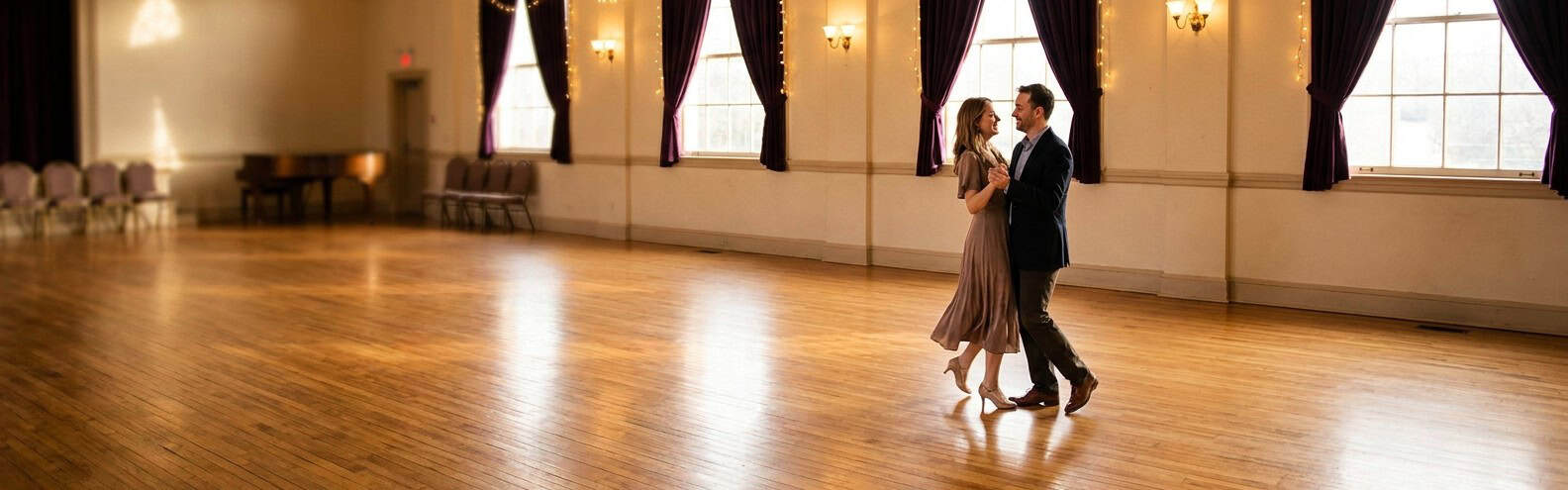
Why I Believe Ballroom Dancing Will Matter Even More in the Age of AI
Artificial intelligence is changing how we work, learn, and communicate. Robotics is advancing right alongside it. It’s reasonable to wonder what those changes will mean for businesses built around teaching a skill.
Including mine.
I believe technology can make ballroom instruction better. I also believe it will make the human connection we offer even more valuable.
A dance lesson brings two people into the same space and asks them to pay attention to each other. There is movement, conversation, uncertainty, encouragement, and the satisfaction of figuring something out together.
That experience matters, especially as more of everyday life happens through a device.
The Steps Are Part of a Much Bigger Experience
People come to ballroom dancing for all kinds of reasons. A wedding. A date night. A new hobby. The desire to feel more comfortable in a social setting.
Teaching the steps matters. Good instruction helps people make progress and enjoy what they are doing.
But consider the person who walks through the door convinced they have two left feet. Before they can enjoy learning, they may need to feel comfortable making a mistake in front of someone else.
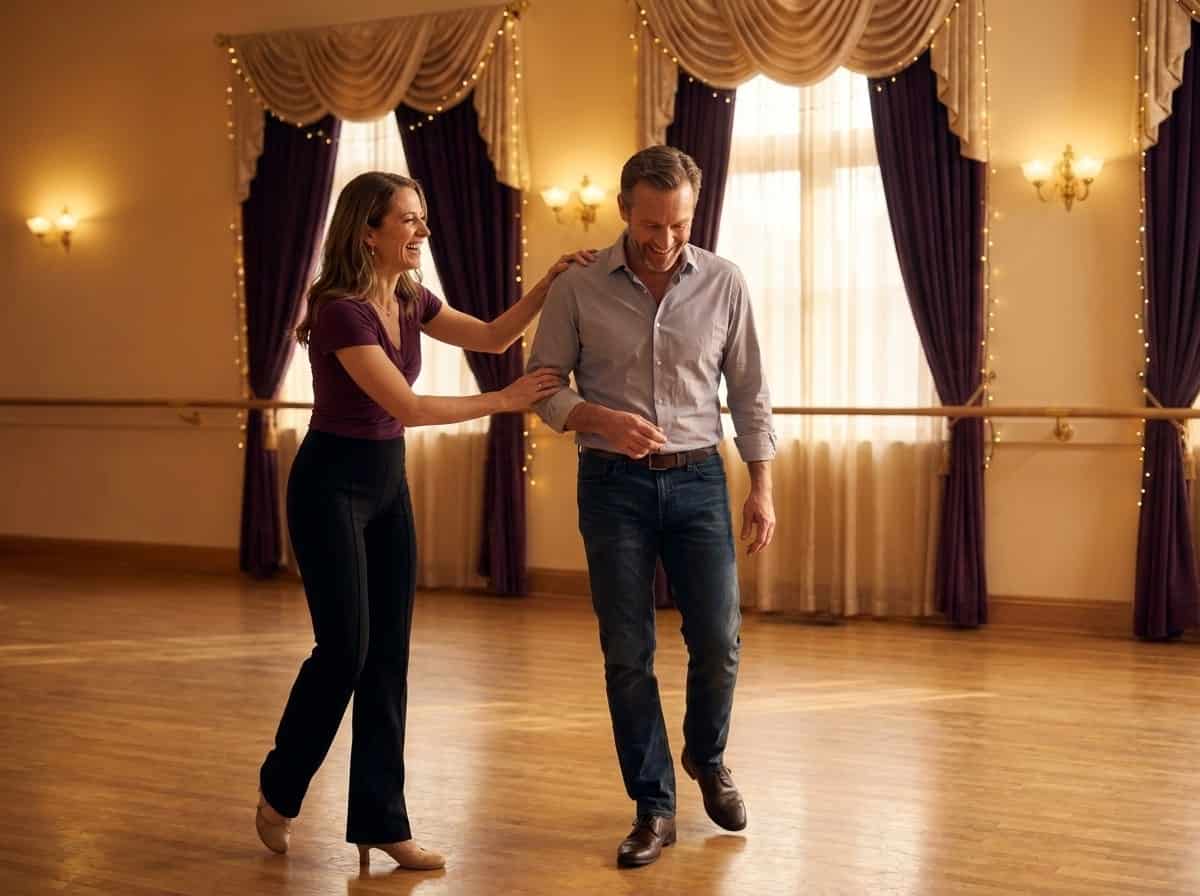
A good instructor pays attention to that.
They notice hesitation. They adjust how they explain something. They recognize when a student needs another demonstration, a smaller challenge, or a moment to laugh and start again.
My belief is that this relationship will remain central to why people choose to learn with us, even as technology changes what instruction can look like.
Yes, Robots Can Dance
Research already explores robots performing dance and interacting with humans through movement. Their capabilities will continue to develop.
I’m comfortable acknowledging that. Our future should depend on how well we serve people, rather than on assuming a machine will never learn a particular movement.
A client may want to feel confident dancing with their spouse. They may want friends to share an evening with. They may want someone to notice the progress they worked hard to make.
Those goals give us a clear responsibility: keep improving the human experience of learning to dance.
How AI Could Help Teachers Have a Greater Impact
I can imagine AI helping an instructor organize lesson notes, prepare practice suggestions for review, and keep track of a student’s goals. Better scheduling tools could make it easier for clients to fit lessons into busy lives.
Used thoughtfully, those improvements could give teachers more time to prepare and more attention to give during a lesson.
The question I would ask of any new tool is simple: Does this help us take better care of the person learning with us?
That means the instructor still brings judgment to the process. A practice plan should fit the student’s ability, comfort, and goals. A progress summary should lead to a conversation. Technology should help us follow through on what matters to each client.
Human Connection Deserves a Place on the Calendar
In its 2025 report, the World Health Organization estimated that loneliness affects one in six people worldwide. It called for greater attention to social connection as a part of health and well-being.
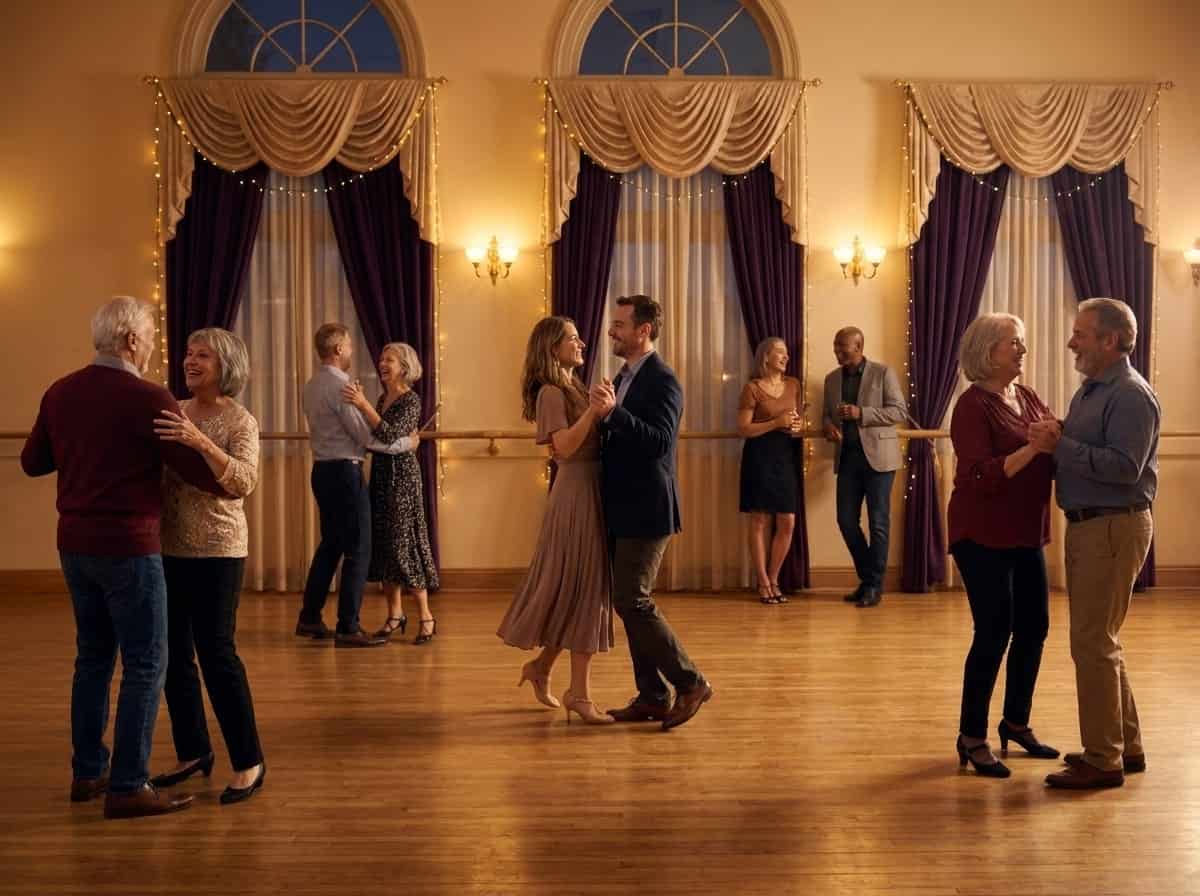
A ballroom studio can offer a regular place to participate: learn something, move with another person, and get to know people over time.
That is the future I want to help build. Better tools supporting thoughtful teachers. Students making progress and feeling recognized. More opportunities to spend time together.
As AI becomes part of everyday life, I believe we will need to be intentional about making room for those experiences.
And sometimes, making room starts with a first dance lesson.
Make Room for Your First Dance Lesson
No experience and no partner needed. Come spend an hour learning something new, moving with another person, and working with an instructor who pays attention to you.
CLAIM YOUR INTRO OFFERFAQs
Will AI replace ballroom dance instructors?
Our view is that a great instructor becomes more valuable, not less. Technology may help with lesson notes, practice suggestions, and scheduling, but the instructor brings the judgment: noticing hesitation, adjusting an explanation, and helping each student feel comfortable enough to make a mistake and keep going.
How could AI help with ballroom dance lessons?
Used thoughtfully, AI could help instructors organize lesson notes, prepare practice suggestions, keep track of each student’s goals, and make scheduling easier. That gives teachers more time to prepare and more attention to give during a lesson. The test for any tool is simple: does it help us take better care of the person learning with us?
Is ballroom dancing a good way to build human connection?
Yes. A ballroom studio gives you a regular place to learn something, move with another person, and get to know people over time. You don’t need a partner or any experience to start—your instructor is your partner during lessons.
Leave a Reply